

Charting what comes next.
Supporting neurodivergent students and families, and the systems they move through.
Who we work with
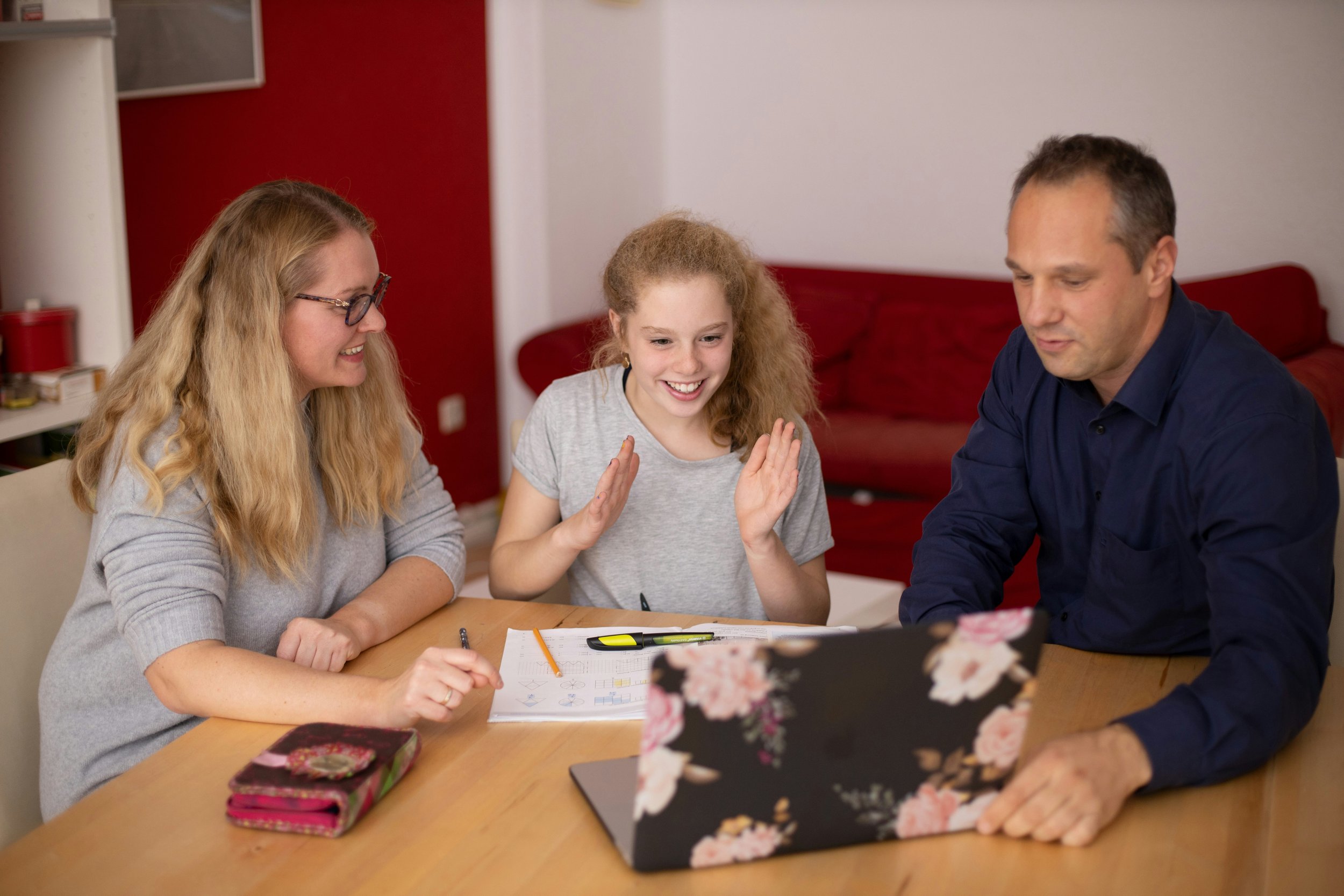
Students, Families & Community Programs
If you or your student is preparing for post-secondary education, a co-op placement, or the workplace, and the system is not working as it should, VELA can help. Our coaching and transition support are grounded in clinical knowledge and years of experience working within education, accessibility, employment, and Work-Integrated Learning systems. We also partner with community organizations and nonprofits to strengthen the transition supports they provide.
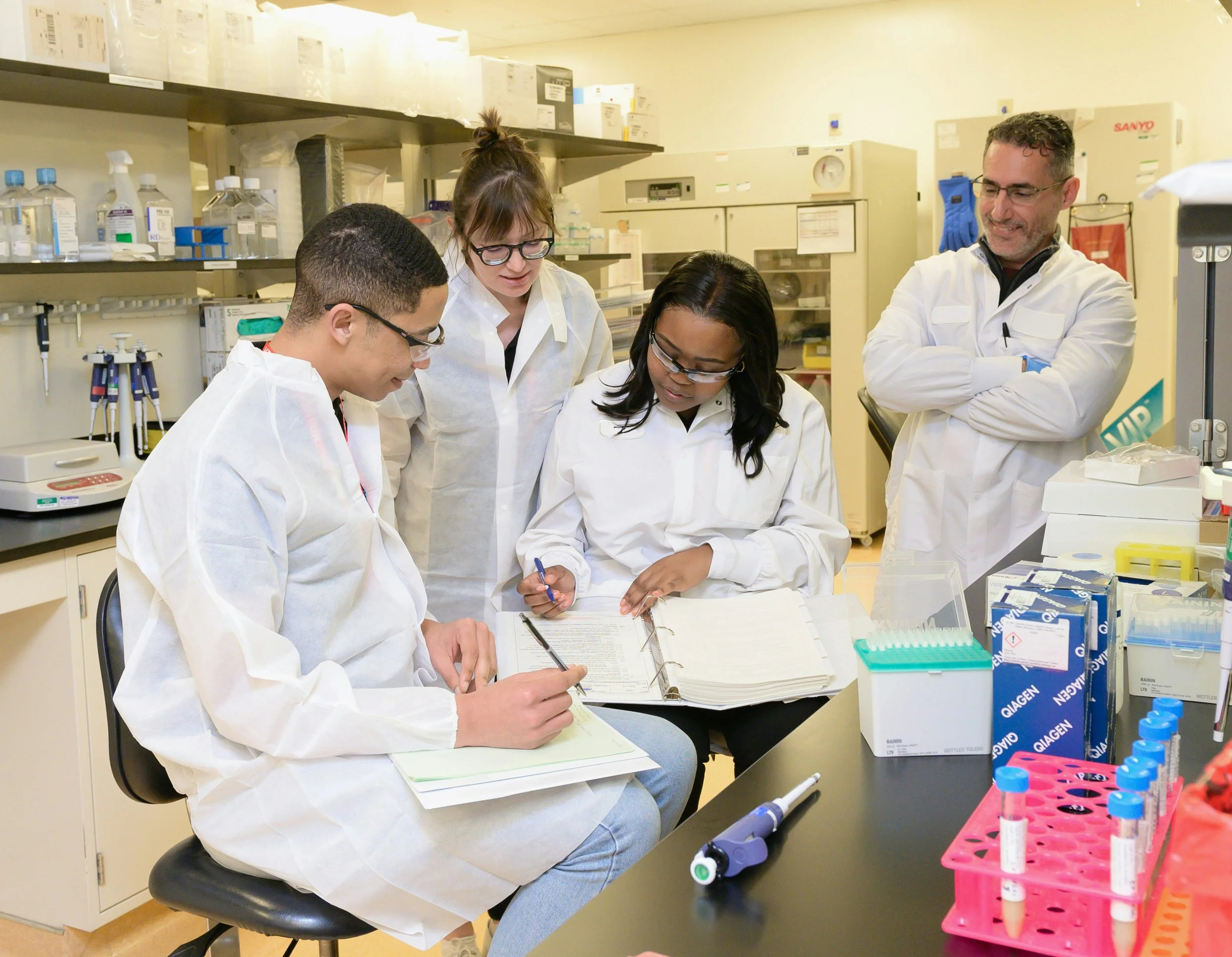
Educational Institutions
VELA works with educational institutions to strengthen the systems that support student transitions. From Work-Integrated Learning and accommodation processes to onboarding, self-advocacy, and neuroinclusive practices, we provide speaking, professional development, and consultation for high schools, colleges, polytechnics, and universities.

Employers
Whether someone is starting a placement, co-op, internship, or new workplace role, the transition can be challenging. VELA helps employers build practical, neuroinclusive onboarding and supervision practices that create clarity, reduce barriers, and support success.
The Transition Gap
Neurodivergent students and students with disabilities often move through post-secondary education, their first WIL placement, and early employment with supports that do not travel with them. The accommodations that worked in school do not always carry into placement. Disclosure decisions happen without clear guidance. Support is activated after barriers have already shaped the experience rather than before they appear.
Across Ontario’s colleges and universities, registrations with disability and accessibility services increased by nearly 80 percent between 2013 and 2021, reflecting sustained growth in demand for accommodations and related supports.¹ Yet this growth in classroom-based registration has not extended evenly into WIL contexts.
Internal data from one Ontario institution illustrate the gap. While many students were registered with accessible learning services overall, only a small minority accessed accommodations in WIL settings.² These data should be interpreted cautiously, as one institution cannot establish a province-wide rate. They do, however, raise an important systems question: how consistently do supports available in the classroom follow students into placements and other forms of experiential/WIL environments?
That question matters beyond education. Statistics Canada reported that in 2023 the employment rate for persons with disabilities was 47.1 percent, compared with 66.9 percent for persons without disabilities.³ The Canadian Human Rights Commission has also reported that more than 30 percent of persons with disabilities say their disability makes it difficult to change jobs or advance in their careers.⁴ These data do not prove that post-secondary accommodation gaps cause later employment inequities on their own, but they show that barriers persist across school-to-work transitions.
VELA works across all three points in that arc: with students, families, and nonprofit organizations navigating the transition; with educational institutions shaping the systems around placement and support; and with employers building the capacity to respond well to neurodiverse students and employees. That cross-sector view is what makes the work relevant to multiple stakeholders at once.
References
¹ Higher Education Quality Council of Ontario. (2023). Accessibility services at Ontario colleges and universities: Trends, challenges and recommendations for government funding strategies. HEQCO. https://heqco.ca/pub/accessibility-services-at-ontario-colleges-and-universities-trends-challenges-and-recommendations-for-government-funding-strategies/
² Christopher, D. (2025). Inclusive futures: A practice-based model for embedding accessibility across the WIL landscape. In Proceedings of WIL'25: The 3rd International Conference of Work-Integrated Learning. Kristiania University of Applied Sciences, Oslo. [Institutional data cited reflects internal registration figures at George Brown College, 2023.]
³ Statistics Canada. (2024). Labour market characteristics of persons with and without disabilities, 2023. https://www150.statcan.gc.ca/n1/pub/71-222-x/71-222-x2024002-eng.htm
⁴ Canadian Human Rights Commission. (2024). Submission to the Committee on the Rights of Persons with Disabilities in advance of Canada's 2nd Periodic Review. https://www.chrc-ccdp.gc.ca/sites/default/files/2024-04/submission-to-the-committee-on-the-rights-of-persons-with-disabilities.pdf
Why VELA
Support is often designed for either the person navigating a transition or the organization shaping it. VELA works across both, because meaningful inclusion requires attention to what the person needs to navigate now and what may need to change around them.
That approach draws on more than 15 years of experience spanning post-secondary accessibility, teaching, Universal Design for Learning, and work-integrated learning, alongside clinical and community practice in rehabilitation, ABA therapy, autism intake, and family support. Deandra’s practice-based work has been published, and she has presented it provincially, nationally, and internationally.
This breadth allows VELA to work across the contexts surrounding transition: with individuals and families, nonprofit and community organizations, post-secondary institutions, and employers.
VELA considers both the individual and the expectations, environments, processes, and supports shaping participation. Disability and difference are not deficits to correct within a person. Inclusion requires systems that can recognize different needs and ways of participating. The goal goes beyond compliance toward genuine participation at every transition point.
The Founder
Deandra Christopher, MEd — Founder, VELA Consulting
Deandra brings more than 15 years of experience spanning post-secondary accessibility, teaching, Universal Design for Learning, and work-integrated learning, alongside earlier clinical and community practice in rehabilitation, ABA therapy, autism intake, and family support.
At George Brown Polytechnic, she developed a practice-based model for embedding accessibility across the work-integrated learning landscape. That work was published and presented at WIL25 in Oslo in 2025, and has contributed to provincial, national, and international conversations about what accessible WIL requires in practice.
She founded VELA to bring these perspectives together, supporting individuals and families through transition while helping institutions, employers, and community organizations create more inclusive conditions around them.
Resources
A growing library of practical resources for neurodiverse students, families, and the practitioners working alongside them. Self-advocacy guides, disclosure planning tools, AI prompt libraries, and WIL readiness resources built for the real work of transition.
If you or your student is heading into post-secondary or a first placement this fall, now is a good time to prepare.